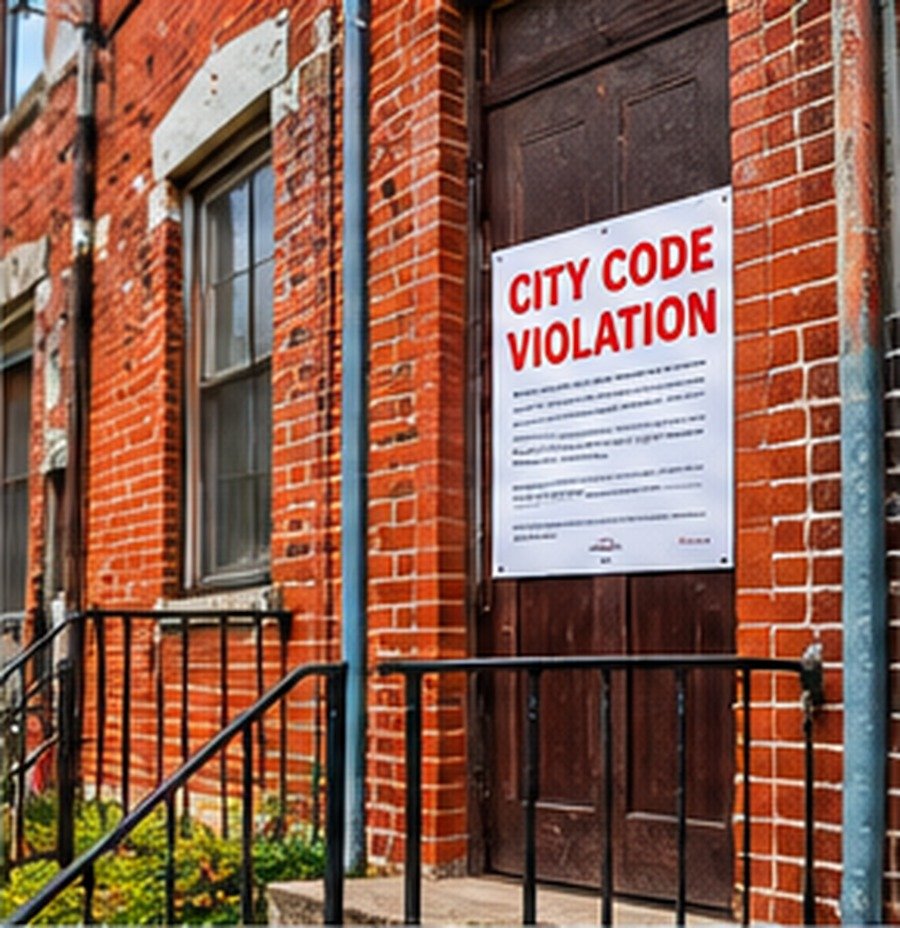
A city notice or code violation can make a property owner worry that selling is impossible. The effect of a violation depends on the specific condition, the notice, local requirements, title issues, and the buyer’s plan. Do not ignore the notice or assume that selling the property automatically removes obligations connected to it.
Read the notice and verify the record
Identify the issuing agency, property address, violation description, required action, deadlines, hearing details, and contact information. If anything is unclear, contact the agency using verified official contact details and ask how to obtain the current status. Keep copies of letters, photos, inspection reports, and any proof of completed work.
Separate urgent hazards from other issues
Conditions involving fire safety, unsafe structures, exposed wiring, or other immediate risks may require prompt action. If there is an urgent danger, keep people away and contact qualified professionals or the appropriate authority. For other notices, ask the issuing agency what response or correction is required and by when.
Understand what a buyer needs to review
A potential buyer may want to know whether the violation remains open, whether fines or liens exist, whether permits are required, and what work may be needed. A title or settlement professional can help identify recorded matters and explain what must be addressed for closing. Responsibility for specific violations or costs should be clarified in writing.
Compare repair, resolution, and as-is options
You can explore the cost and time required to correct the issue, ask a qualified professional about the requirements, and compare that path with an as-is sale. Do not assume an as-is buyer will accept every violation or that a sale will transfer every responsibility. The specific contract and applicable requirements matter.
Keep the next step practical
Gather the notice and any related documents before speaking with a buyer. Through The Front Door can review the property information and discuss whether a direct purchase may be possible. For legal questions or disputes with an agency, consider independent legal advice; for official requirements, confirm directly with the responsible local department.
Want to discuss your property?
If you are exploring a direct sale, you can share your property address and situation with Through The Front Door. A review is not an obligation to sell, and the best option depends on your circumstances.
Important: This article provides general educational information, not legal, tax, mortgage, or financial advice. Rules and requirements depend on the property and the facts. Confirm official requirements with the appropriate agency and consult qualified professionals about your situation. No offer, closing date, or foreclosure outcome is guaranteed.